


VMware KubeVirt Migration Using Forklift
In this blog post, I discuss about migrating virtual machines from VMware to a Kubernetes cluster running KubeVirt using Forklift tool

Demos, videos, how-tos, and general ramblings.
In this blog post, I discuss about migrating virtual machines from VMware to a Kubernetes cluster running KubeVirt using Forklift tool
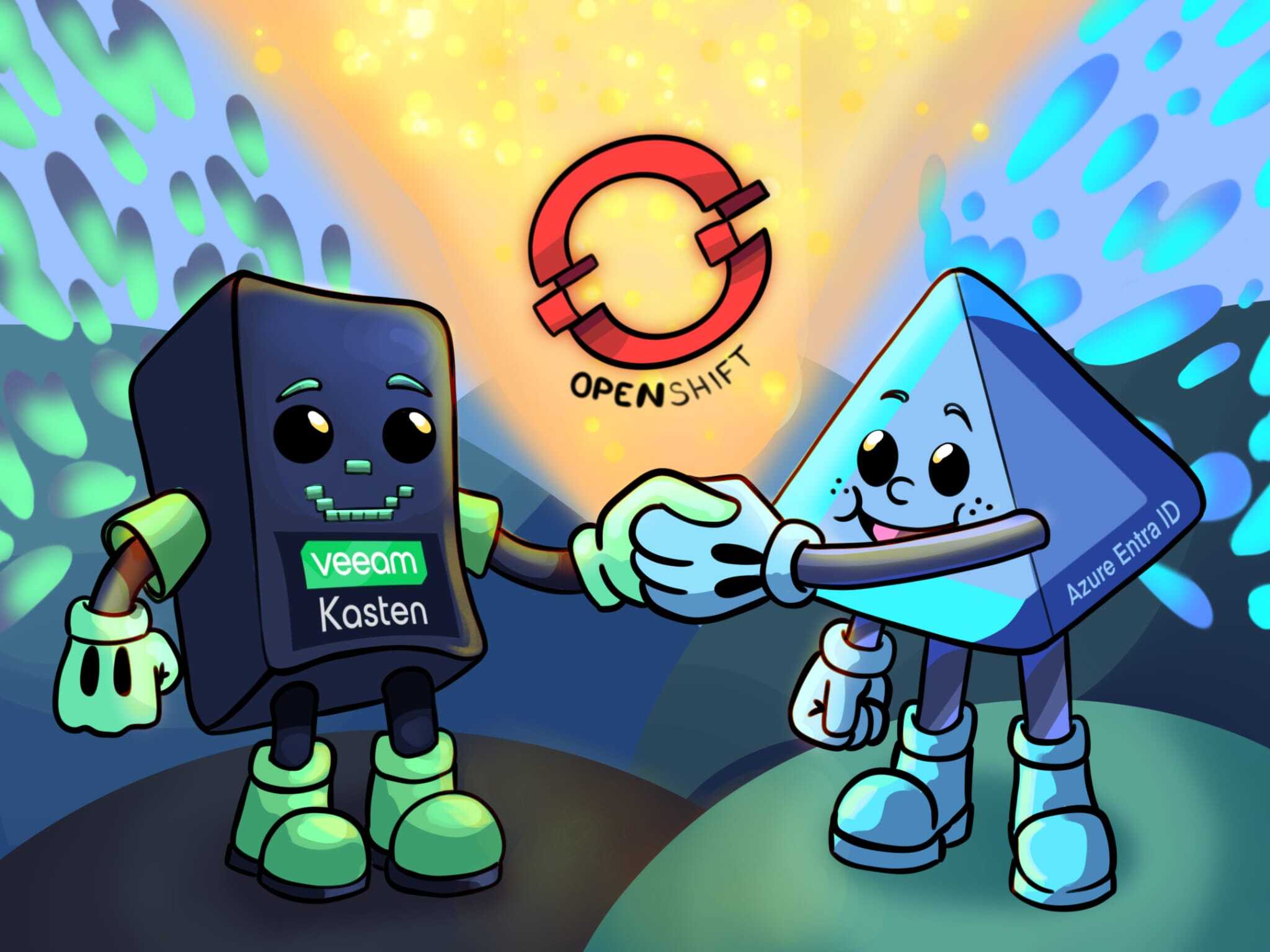
Learn how to automate the deployment of Veeam Kasten Operator on Red Hat OpenShift using Terraform
Did you know that you can protect your Kubernetes apps with Kasten without even logging into its UI? In this first post of in a planned series, you will learn how to operate Kasten with kubectl, starting with basic backup and restore workflows.
GKE provides a high-performance solution for load balancing containers. But how do you expose an internal ingress in this architecture? More specifically, how do you expose an internal ingress for Kasten?
When Kasten need to interact with a cloud provider API as Azure we have 2 approaches. One approach is to store the credential of a service principal in a secret but another one is to use federated identity. Federated identity avoid storing credential in a secret and bring much better security. Let's see how it works.
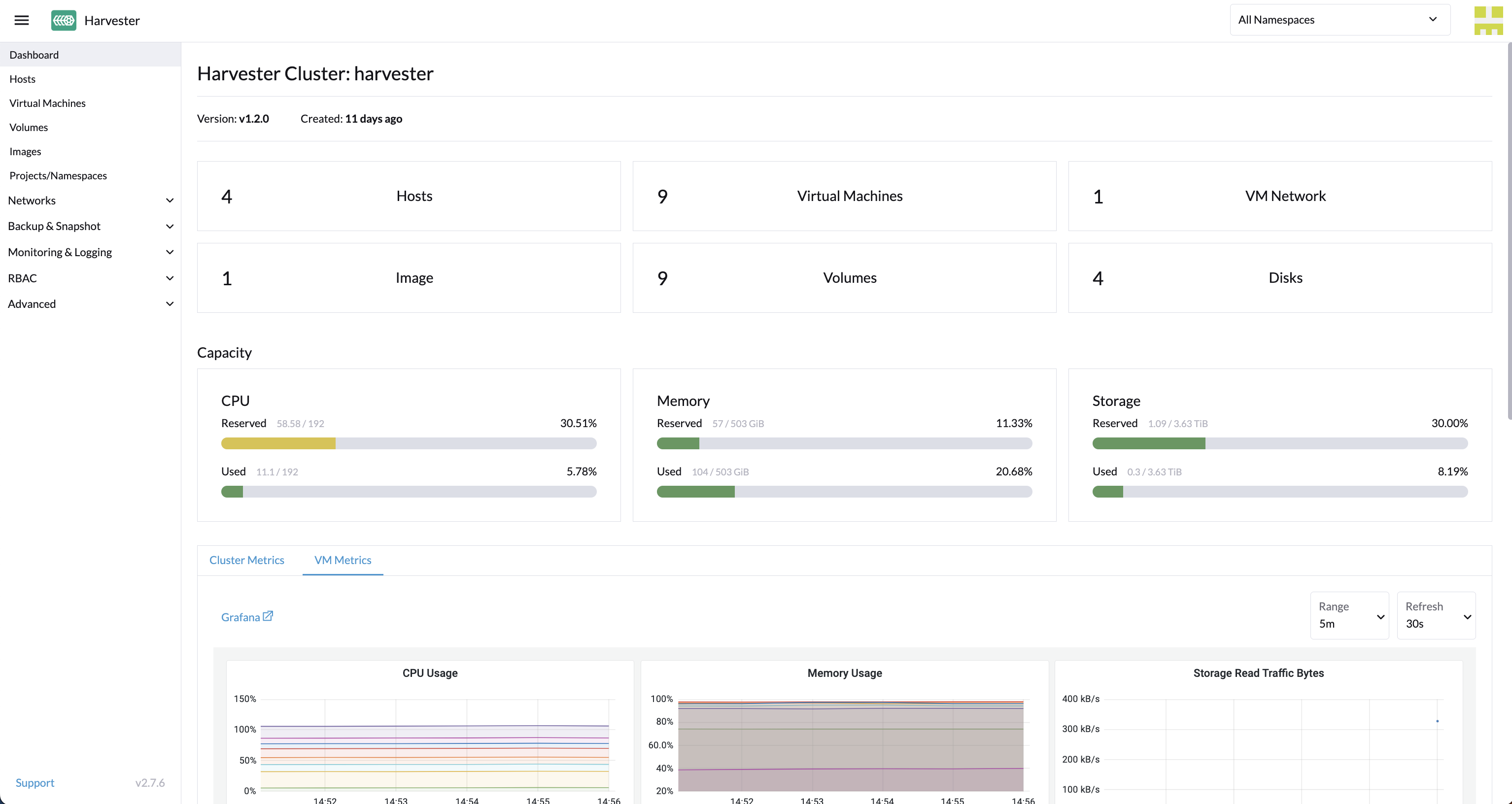
Kasten now officially supports SUSE Virtualization (previously known as SUSE Harvester)